Guides for cleaner air at home
Practical advice on air duct cleaning, dryer vents, energy bills, and indoor air quality for homeowners across Virginia, Maryland, and DC.
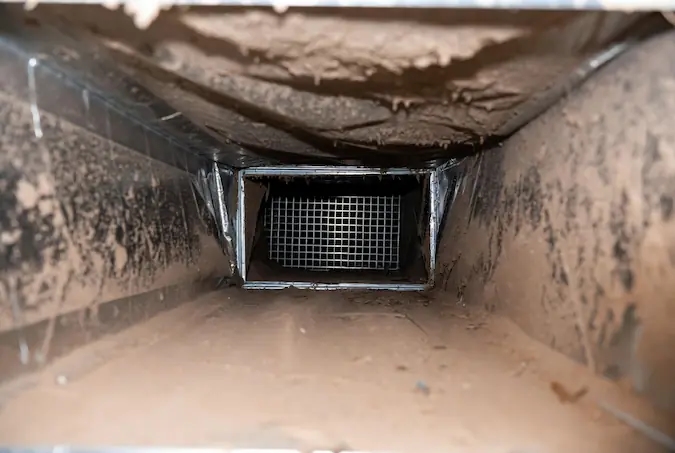
7 Signs Your Air Ducts Need Professional Cleaning
Dust rings on registers, rooms that won't cool, mystery odors — seven warning signs your ductwork is overdue for professional cleaning.
Read article
Can Dirty Air Ducts Cause Allergies?
EPA says duct cleaning has not been shown to prevent health problems. What dirty ducts can (and cannot) mean for allergy households — with sources.
Read article
Do Dirty Air Ducts Raise Energy Bills?
EPA: little evidence duct-only cleaning cuts bills; coil/component cleaning may help. DOE on heating/cooling use and duct leaks — a careful, sourced take.
Read article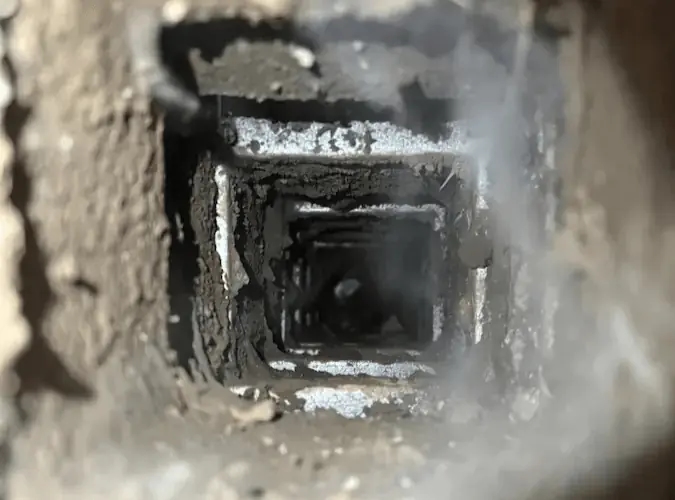
How Often Should You Clean Your Air Ducts?
Many homes schedule duct cleaning about every 1–3 years. Pets, renovations, and visible debris can shorten that — EPA does not set a health-based interval.
Read article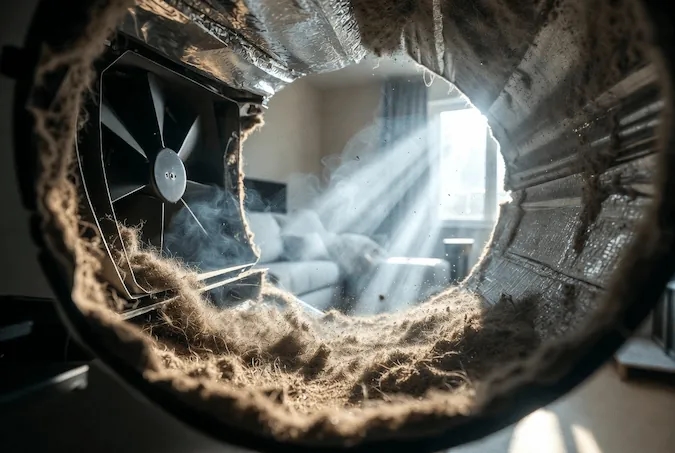
What Happens If You Never Clean Your Air Ducts?
Dust recirculation, musty smells, pest nesting, and HVAC strain — what can compound when duct maintenance is skipped (without overclaiming health cures).
Read article
Why Clean Dryer Vents? Prevent Fires & Protect Your Home
NFPA estimates about 13,820 home dryer fires per year (2014–2018), with failure to clean in about 32%. Learn why dryer vent cleaning reduces lint-related fire risk and improves dryer efficiency.
Read article
Sully Station HOAs, airport film, and why 1990s trunks still blow gypsum
Chantilly HOA neighborhoods went up fast during the Route 28 boom, and most were never cleaned after builder run-in. Learn why houses that look 15 years old can still carry first-day drywall dust in the trunks — plus the airport-corridor film that keeps adding to it.
Read article
Cabin Branch pads, Village HOAs, and why first-owner supplies still blow gypsum
Clarksburg's rapid development means many homes were occupied while neighboring pads were still active. Learn why first-owner ducts carry construction residue — and when to clean it out.
Read article
High occupancy, campus trees, and why Route 1 houses stay dusty between tenants
College Park rentals near UMD turn over fast with filters rarely changed. Learn how high occupancy and campus pollen load ductwork — and why turnover cleaning matters.
Read article
Rouse paths, Wilde Lake closets, and why Howard County planned streets still sweat
Columbia's village townhomes sit along lake paths and HOA greenways that funnel pollen into HVAC returns. Learn why planned-community ductwork loads differently — and how to keep it clear.
Read article
Potomac moisture, old metal trunks, and why District registers go musty
DC row houses were built before air conditioning existed. How retrofitted ductwork, English basements, and river-valley humidity load moisture and debris into trunks.
Read article
Main Street mill houses, Tiber cellars, and why hillside suburbs still pull pollen
Ellicott City sits on the Patapsco with genuine flood history. Here's how stone cellars, hillside drainage, and valley moisture affect the air moving through your ducts.
Read article
Mall-area stacks, Fair Lakes closets, and why this is not the City of Fairfax page
Fair Oaks townhomes near the I-66/Route 50 interchange put attic air handlers above the living space, pulling hot air down through corridor dust. Learn why the upstairs-down airflow pattern in these 1980s–2000s homes creates a specific dust and moisture profile that ground-level systems do not.
Read article
Cool basements, oak pollen, and why City of Fairfax registers get dusty again
The City of Fairfax packs a dense canopy into a small footprint. Learn how mid-century ramblers and later additions create duct junctions where pollen and condensation accumulate.
Read article
Broad Street lots, I-66 grit, and why the independent city is not the huge Census name
The 2.2-square-mile City of Falls Church packs 1920s–60s houses onto small lots between the Beltway and Route 7. Learn how retrofitted ductwork in pre-war homes interacts with traffic particulate — and why the problems here are different from west-county HOAs.
Read article
Carroll Creek cellars, Urbana pads, and why the I-270 north end is two indoor-air problems
Frederick combines downtown brick cellars with Urbana-corridor new construction — two distinct duct problems under one city name. Here's what each one looks like inside the HVAC.
Read article
I-270 humidity, cool trunks, and why Crown dryer vents pack with lint
Gaithersburg's housing ranges from 1960s split-levels to Kentlands new urbanism. Each style has its own duct failure pattern — here's how they work and when cleaning helps.
Read article
Milestone closets, Town Center grit, and why corridor construction…
Germantown townhomes pack the air handler, dryer, and water heater into a single mechanical closet that was designed 30 years ago. Learn how that multi-function closet creates cross-contamination between lint, corridor dust, and HVAC airflow — and why the I-270 particulate load makes it worse.
Read article
Georgetown Pike lots, long dryer runs, and why walk-out basements sweat at the trunks
Great Falls homes on large wooded lots run HVAC ductwork 40–60 feet through crawls and walk-out basements. Find out how estate-scale trunk systems, long dryer runs, and Potomac River humidity interact — and why bigger houses have harder-to-reach problems.
Read article
Construction Dust Near Active Corridors: What Ends Up in HVAC Returns
Data-center pads and office builds west of Herndon release gypsum and silica fines that residential filters aren't designed to catch. Learn how construction-phase dust behaves inside ductwork long after the last crane leaves.
Read article
Old Town Humidity and Alexandria Air Duct Moisture: What Homeowners Notice First
Alexandria's proximity to the Potomac creates persistent humidity that loads moisture into older ductwork. Learn how historic homes, waterfront condos, and West End splits each respond.
Read article
Why Arlington Condos Near the Potomac Get Musty Ducts in Summer
Arlington's dense, transit-oriented housing sits in Potomac humidity year-round. Learn how vertical living, shared infrastructure, and cool trunk lines create the conditions for musty ductwork.
Read article
Arts-district renovations, Gateway stacks, and why PG summers sweat at older trunks
Hyattsville's arts-district renovations layer new living spaces over old mechanical systems that were never cleaned between eras. Learn how renovation dust, Prince George's County humidity, and mixed-era ductwork create indoor-air problems specific to Route 1 corridor housing.
Read article
Antique Row weekends, Howard Avenue brick, and why basement trunks…
Kensington's colonials sit where Connecticut Avenue's street-tree pollen meets weekend foot traffic from Antique Row. Learn how the basement air handler in a close-in Montgomery County colonial stores spring pollen in cold trunks — and why the problem compounds each year without intervention.
Read article
Laurel Hill HOAs, Lorton Station stacks, and why river air plus interstate grit stick
Lorton sits at the intersection of two particle sources: I-95 traffic dust and Occoquan River humidity. Discover how these combine inside both new-build townhome ducts and older Lorton Road split-levels — and why river-humid air makes interstate grit bond to cool trunk surfaces.
Read article
New-build gypsum, Leesburg basements, and why Ashburn returns fill faster than they should
Loudoun County's mix of historic Leesburg homes and active Ashburn development creates two distinct duct challenges. Learn the difference — and how to address each.
Read article
Pollen, finished basements, and why Fairfax County ducts load faster than they look
McLean's large lots and mature canopy generate a heavy pollen load that hides inside oversized duct systems for years. Learn how estate-scale trunks and finished basements delay detection.
Read article
1970s Stedwick closets, Whetstone paths, and why Lakeforest-era vents were never resized
Montgomery Village is a 1970s planned community where original dryer runs and undersized vents are still in service. Here's how aging infrastructure and lakeside humidity affect duct air quality.
Read article
Fort Hunt colonials, Hollin Hills metal, and why Parkway summers sweat at the trunks
The Mount Vernon area runs along the George Washington Parkway where Potomac humidity meets some of Fairfax County's oldest residential ductwork. Learn how original 1940s–60s metal trunks age, why mid-century homes handle moisture differently, and what river-adjacent homeowners should watch for.
Read article
Vale Road lots, Waples Mill grit, and why finished basements store spring film
Oakton's large-lot colonials along Route 123 sit under one of Fairfax County's densest canopies. Learn how seasonal pollen loading interacts with oversized trunk systems and finished basements — and why the timing of filter changes matters more here than in open-lot neighborhoods.
Read article
Georgia Avenue ramblers, Norbeck split-levels, and why rec rooms hide sweating trunks
Olney's 1960s–80s ramblers and split-levels bury their ductwork behind drop ceilings and paneling in finished rec rooms. Discover how the outer-Montgomery canopy, finished-basement concealment, and original-era trunk joints create a dust problem that stays invisible until the smell reaches the living room.
Read article
Cabin John lots, Falls Road colonials, and why long trunks hide pollen you never see
Potomac's estate homes have trunk runs long enough to hide years of canopy pollen and river-corridor moisture. Learn why the ductwork in a 4,000-square-foot house collects problems that a walk-through inspection will never reveal — and how the Potomac River's humidity accelerates the process.
Read article
Woodbridge basements, Lake Ridge townhomes, and why Manassas registers go musty
Prince William County stretches from the Occoquan River to I-66 — a range that puts both river humidity and highway particulates into residential ductwork. Here's how each area is affected.
Read article
Why Toll Road Dust and Humid Summers Film Over Registers in Planned Communities
Reston's planned-community density puts dozens of HVAC systems in the same Dulles-corridor dust envelope. Learn why village layouts, stacked laundry risers, and shared parking garages create indoor-air patterns unique to this part of Fairfax County.
Read article
Montgomery County humidity, cool basement trunks, and why registers get dusty again
Rockville spans 1950s Twinbrook ranches to King Farm townhomes — all sitting on humid Piedmont soil. Learn how basement-origin condensation drives duct contamination across housing eras.
Read article
Retrofitted trunks, Georgia Avenue particles, and why older registers film over
Silver Spring blends pre-war brick housing with active transit construction and urban density. Learn how retrofitted ductwork and corridor dust create a unique indoor air challenge.
Read article
I-95 particles, split-level basements, and why Franconia registers film over
Springfield straddles the Mixing Bowl interchange where I-95, I-395, and the Beltway converge. Here's how highway particulates and split-level architecture combine to coat duct interiors.
Read article
Carroll Avenue cottages, DC-line trees, and why added-later metal sweats in the crawl
Takoma Park's early-century bungalows received central air decades after they were built, with ductwork threaded through crawl spaces never designed for it. Learn how crawl-space humidity, canopy shade, and patched dryer vents interact in houses that straddle the Montgomery–PG–DC line.
Read article
Maple Avenue colonials, Wolf Trap oaks, and why finished basements sweat at the trunks
Vienna's 1950s–70s colonials store spring pollen inside the coolest metal in the house — the basement supply trunks. Discover how the Wolf Trap canopy, finished basements, and summer condensation create a self-reinforcing dust-moisture cycle.
Read article
Veirs Mill grit, Georgia Avenue pollen, and why older plaster joints leak
Wheaton's 1940s–60s brick houses carry ductwork cut through plaster and joist bays that were never designed for forced air. Learn how leaking joints, bus-corridor particulate, and Metro-era construction debris combine in close-in Montgomery County — and why the problem is urban, not suburban.
Read article