Blog
There is no official calendar — here’s how homeowners decide when to book
· Updated
How often should you clean air ducts? EPA sets no health interval — signs, dryer vents, and realistic booking timing.
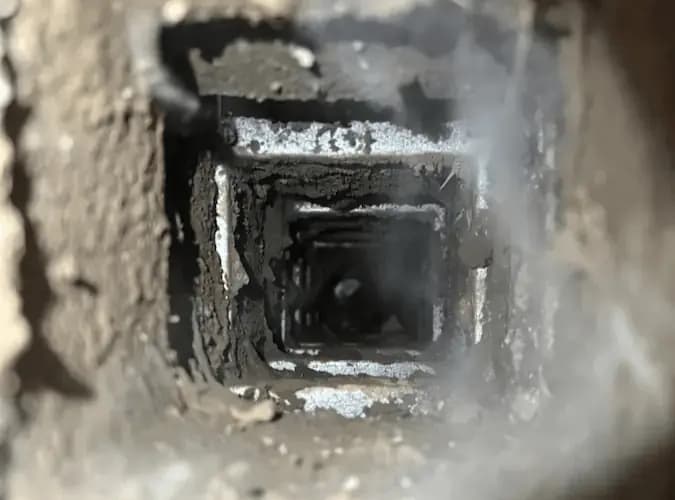
There is no universal schedule
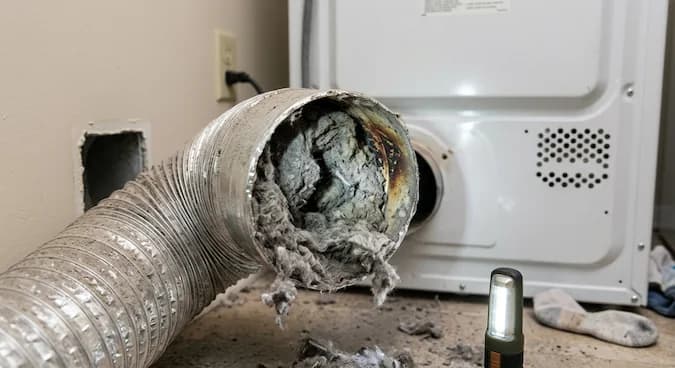
Your HVAC system moves air through the duct network hundreds of times a day. Debris can settle on interior surfaces between filter changes — dust, pollen, pet hair, renovation grit. How often that calls for a professional clean depends on what you see and how the house is used, not on a single industry rule.
EPA does not set a mandatory health-based interval. It also states that duct cleaning has not been shown to prevent health problems. Timing should follow visible contamination, renovation dust, moisture history, and system condition — not a promise that a calendar date equals cleaner lungs.
Intervals many households actually use
As a practical habit from our Burke and Bethesda routes — not an official standard — quieter households often wait several years between full cleans when filters are kept up and trunks look light. Pets, renovations, or humid basements usually mean looking sooner. Treat any year-range as a conversation starter after a walkthrough, never as a medical or regulatory requirement.
Treat those ranges as conversation starters with a technician after a walkthrough, not as a medical or regulatory requirement.
- Quieter homes with regular filter changes — often inspect or clean on a multi-year cadence
- Pets, smokers, or heavy occupancy — debris builds faster; look sooner
- Recent drywall, sanding, or remodel dust — clean after the mess, not years later
- Damp basements or past leaks — moisture plus dust sticks; fix moisture and consider cleaning
Our Special Offers
Transparent flat-rate pricing. No counting vents. No surprise add-ons.
Dryer Vent Cleaning
$199
Professional dryer vent cleaning with rotary brush and high-powered vacuum to reduce fire risk and improve dryer efficiency.
Learn more
Air Duct Cleaning & Sanitization
$299
Professional cleaning of one complete air duct system with complimentary sanitization upon request and before/after photo proof.
Learn more
Air Duct & Dryer Vent Cleaning Combo
$399
Complete air duct system cleaning plus dryer vent cleaning — our most popular package. Optional antimicrobial on request.
Learn moreSignals that matter more than the calendar
These observations usually outweigh any “every X years” guess:
- Dust returns on shelves and registers within days of wiping — the system may be recirculating debris
- Visible dust rings at supplies, or debris discharging when the blower starts
- Musty smell when the system first kicks on — often moisture-related; also check humidity and leaks
- Some rooms stay stuffy while others feel fine — may be ducts, dampers, or airflow balance
- Any renovation involving sanding, painting, or demolition — construction fines settle deep in returns
What cleaning actually changes
Professional cleaning removes debris from trunks and branches. That can help airflow when restriction was debris-related. It is not a promised utility-bill cut or allergy cure.
EPA guidance notes that cleaning HVAC components (coils, fans, heat exchangers) may improve efficiency, while little evidence supports efficiency gains from cleaning ducts alone. For leak losses, ENERGY STAR estimates about 20–30% of the air in a typical duct system can be lost to leaks — sealing is a separate job from brush-and-vacuum cleaning.
Most homeowners notice something simpler after a thorough clean: less refilm on registers between dustings, and a more neutral smell when the system cycles on — when debris was the issue.
- Airflow can feel more even when debris was restricting paths
- Filters may last closer to their rated life instead of clogging early from system grit
- Coil and blower maintenance still matter more for efficiency than duct-only cleaning
- We document debris removal with before/after photos — not health outcomes
What a professional visit looks like
A typical residential visit with Amazon Air Duct Cleaning takes about 2–4 hours for a single-system home:
- Walk-through — registers, air handler, and accessible trunks; map problem spots
- Protection — drop cloths before equipment comes out
- Negative pressure — HEPA vacuum on the main trunk so loosened debris goes into containment
- Agitation — tools and compressed-air whips through each run
- Register cleaning — covers off, cleaned, reinstalled
- Close-out — airflow check and before/after photos
Why a shop vac usually is not enough
A hardware-store brush can reach a few feet past the register. Trunk lines often run much farther through attics or basements with elbows along the way. Without commercial negative pressure and full-length tools, you clean the opening and leave the run untouched.
DIY also risks pushing debris deeper or disconnecting flex joints. ENERGY STAR treats leaky ducts as a major efficiency issue — sealing them is separate from cleaning.
Habits that slow the reload
You cannot eliminate accumulation, but you can slow it:
- Change filters on schedule — more often with pets or construction dust
- Keep annual HVAC tune-ups — coils and blowers dirty the air stream downstream
- Dust vent covers when you dust furniture
- Control basement humidity where practical — moisture helps debris stick; EPA and County IAQ pages often cite roughly 30–50% indoor humidity as a comfort target
Book from what you see, not from a slogan
There is no official “every 3–5 years” rule from EPA. Use visible debris, renovation history, pets, and moisture as your guide. If you cannot remember the last full clean and the system looks loaded, an inspection is a reasonable next step.
Amazon Air Duct Cleaning offers flat-rate residential packages from Burke, VA and Bethesda, MD. Call (800) 606-3334, see air duct cleaning, or pick your city on locations.
Frequently Asked Questions
How often should most homes clean air ducts?
EPA does not set a health-based interval. Many homes clean every few years for maintenance; pets, renovations, or visible debris often mean sooner. Decide from inspection, not a universal slogan.
Does regular duct cleaning lower energy bills?
EPA says little evidence shows cleaning only the ducts improves efficiency; coil/component cleaning may help more. ENERGY STAR focuses on sealing leaky ducts for air-loss savings. See our energy-bills article for linked sources.
How often should dryer vents be cleaned?
About once a year is a common fire-safety habit for many homes. High laundry volume or long vent runs may need service more often. See NFPA dryer-fire research linked from our dryer vent page.
Does a dirty filter mean the ducts need cleaning?
A clogged filter is a maintenance issue by itself. If registers refilm quickly after filter changes, the trunks may also need a professional clean.
Where do we book in Northern Virginia or Maryland?
Use the matching city page under /locations or call (800) 606-3334. Flat-rate packages start from our Burke and Bethesda offices.
Where we schedule from
For booking, use your city page or call our Burke and Bethesda offices See all cities we serve.
Our offices
Contact Us
Our specialists will contact you immediately. (800) 606-3334 · support@amazonadc.com