7 Signs Your Air Ducts Need Professional Cleaning
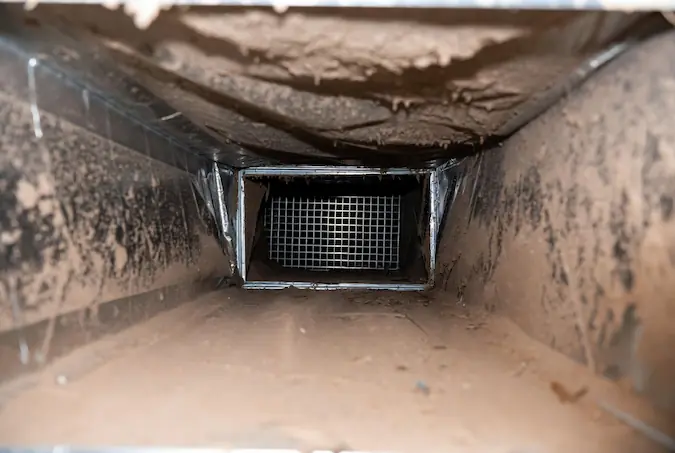
In this guide:
Your HVAC system works around the clock to keep your home comfortable, but over time the air ducts it relies on can become clogged with dust, debris, and contaminants. Many homeowners don't realize there's a problem until symptoms become impossible to ignore. Knowing the warning signs early can save you money, protect your health, and extend the life of your HVAC system.
Why Air Duct Condition Matters
Air ducts are the hidden network that carries conditioned air from your HVAC unit to every room in your home. When they become contaminated with dust, mold, pet dander, or debris, the air your family breathes every day is affected — and so is the efficiency of your heating and cooling system.
Recognizing the warning signs of dirty air ducts early allows homeowners to schedule professional cleaning before the problem escalates into higher energy costs, system breakdowns, or health complications.
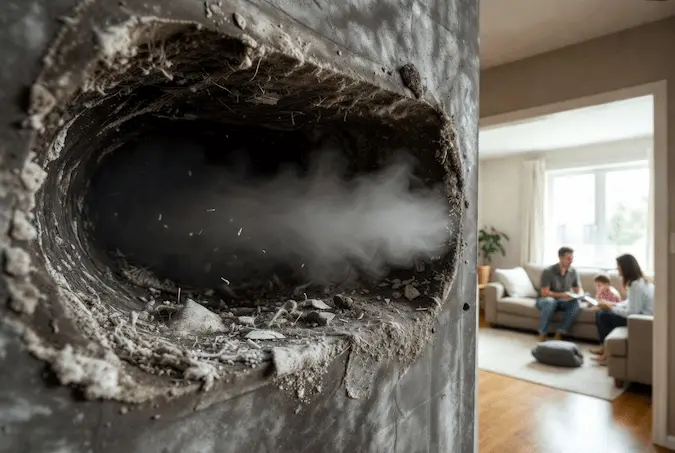
Sign #1: Excessive Dust Around Vents and Surfaces
One of the most visible indicators of dirty air ducts is a rapid accumulation of dust on vent covers, baseboards, furniture, and other surfaces throughout your home. While some dust is inevitable in any household, an unusually heavy buildup that returns shortly after cleaning is a strong signal that your ductwork is recirculating contaminated air.
When dust levels inside the ducts become excessive, every time your HVAC system cycles on, it pushes that debris out through the vents and into your living spaces.
- Dust reappears on surfaces within days of cleaning
- Visible dust rings or grey residue around vent covers
- Dark streaks or discoloration on walls near registers
If your home consistently feels dusty despite regular cleaning habits, the source may be inside your duct system rather than on your surfaces.
Our Special Offers
Interested? Contact us at support@amazonadc.com, or (800) 606-3334
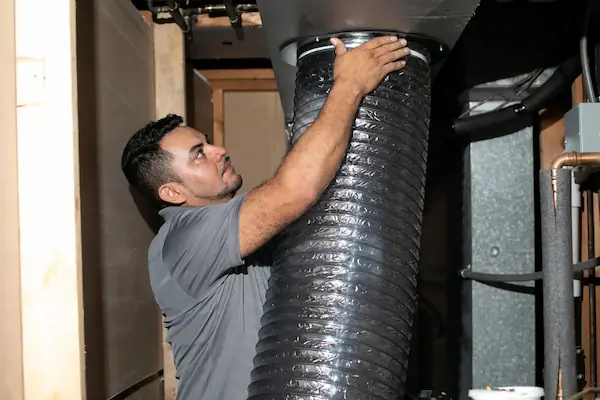
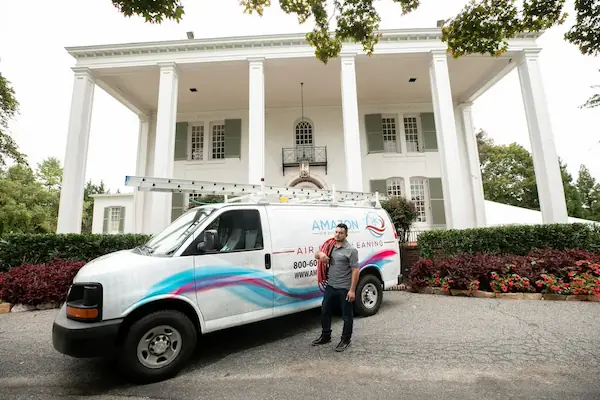
Air Duct Cleaning, Dryer Vent Cleaning & Sanitization
$399.00 $650.00
Sign #2: Worsening Allergy or Asthma Symptoms
If you or members of your household experience increased sneezing, coughing, itchy eyes, or respiratory irritation — particularly when the HVAC system is running — dirty air ducts may be contributing to the problem.
Air ducts can harbor a wide variety of airborne allergens and irritants, including:
- Dust mites and their waste particles
- Pet dander from dogs, cats, or other animals
- Pollen tracked indoors and trapped in ductwork
- Mold spores thriving in damp or humid duct sections
When the HVAC cycles on, these particles are distributed throughout every room in the home. For individuals with allergies, asthma, or other respiratory sensitivities, this continuous exposure can significantly worsen symptoms and reduce quality of life.
If allergy symptoms improve when away from home but return upon re-entry, indoor air quality — and specifically the state of your ductwork — deserves a closer look.
Sign #3: Musty or Stale Odors When the HVAC Runs
A persistent musty, stale, or unpleasant smell that appears specifically when your heating or cooling system turns on is a classic warning sign of contaminated ductwork. This odor typically originates from one of several sources inside the duct system:
- Mold or mildew growth in areas with accumulated moisture
- Decomposing organic debris such as dead insects or rodent droppings
- Smoke residue from cigarettes or fireplaces settled inside ducts
- Accumulated dust that has absorbed odors over time
Unlike surface odors that can be neutralized with air fresheners, smells originating inside ductwork will continue circulating until the source is professionally removed. If the odor returns every heating or cooling season regardless of how often you clean, the duct system itself requires attention.
Sign #4: Rising Energy Bills Without Explanation
A gradual but unexplained increase in your monthly energy bills can sometimes be traced back to dirty or obstructed air ducts. When debris accumulates inside ductwork, it restricts the free flow of conditioned air throughout the system. Your HVAC unit must then run longer and work harder to reach and maintain your desired temperature.
According to the U.S. Department of Energy, a significant portion of energy used for heating and cooling is lost due to duct leaks and obstructions. While not all energy increases are duct-related, a spike that coincides with no changes in usage habits, weather, or appliance additions is worth investigating.
- Energy bills increasing without changes in usage patterns
- HVAC system running longer cycles to reach set temperature
- Rooms that feel stuffy or fail to reach comfortable temperatures
Clean ducts allow your HVAC system to operate at its designed efficiency level, which can translate into measurable savings on your utility bills over time.
Sign #5: Inconsistent Airflow Between Rooms
When some rooms in your home feel noticeably warmer or cooler than others — or when airflow from certain vents seems weak compared to the rest — this inconsistency may point to a blockage or buildup within the duct system.
In a properly functioning HVAC system, conditioned air should be distributed relatively evenly throughout the home. Partial obstructions caused by accumulated dust, debris, or even collapsed duct sections can prevent balanced airflow, creating uncomfortable hot or cold spots.
- Certain rooms consistently harder to heat or cool than others
- Noticeably weak airflow from specific vents
- Temperature imbalance persists even after thermostat adjustments
While airflow imbalance can have multiple causes — including duct leaks or damper issues — professional inspection and cleaning can diagnose and often resolve the problem.
Sign #6: Visible Mold Growth Near Vents or Inside Ducts
Mold growth in or around air ducts is one of the most serious warning signs a homeowner can encounter. When moisture enters the duct system — whether from condensation, humidity, or a leak — it creates an ideal environment for mold and mildew to develop.
Visible mold near vent covers, on registers, or discovered during a duct inspection requires immediate professional attention. Mold spores distributed through the HVAC system can affect every room in the home and pose significant health risks, particularly for children, the elderly, or anyone with compromised immune function.
- Black, green, or white discoloration on or around vent covers
- Musty smell concentrated near specific vents or registers
- History of water damage near HVAC components or ductwork
Mold remediation in duct systems requires specialized professional equipment and procedures. This is not a situation suitable for DIY cleaning methods.
Sign #7: Evidence of Pests or Rodents in the Ductwork
Air ducts can provide an accessible entry point and shelter for insects, rodents, and other pests. Once inside, animals can nest, leave droppings, and even die within the duct system — introducing bacteria, allergens, and odors that then circulate through your home's air supply.
If you notice any of the following, a professional inspection is strongly advised:
- Scratching, rustling, or scurrying sounds coming from vents or walls
- Droppings near or inside vent covers
- Unexplained foul or decaying odor from specific vents
- Insect activity concentrated near ductwork areas
Professional duct cleaning after a pest infestation is essential to remove biological contaminants left behind. In these cases, sanitization treatment may be recommended in addition to standard cleaning.
What to Do If You Notice These Signs
If one or more of these warning signs are present in your home, here are the recommended next steps:
- Schedule a Professional Inspection: A certified technician can assess the condition of your duct system and recommend the appropriate service.
- Replace Your HVAC Filter: Check and replace your air filter immediately. A clogged filter can accelerate debris buildup inside ducts.
- Do Not Delay Mold or Pest Issues: Mold growth and pest infestations inside ducts require prompt professional attention to prevent health risks.
- Avoid DIY for Interior Duct Cleaning: Consumer vacuum equipment cannot reach the depth of buildup inside ductwork. Professional-grade tools are required for thorough results.
- Ask About Sanitization Treatments: In cases involving mold, pests, or heavy contamination, antimicrobial treatment may be recommended after cleaning.
- Establish a Maintenance Schedule: After professional cleaning, maintain clean ducts by replacing filters every 1–3 months and scheduling HVAC inspections annually.
Why Professional Cleaning Is Necessary
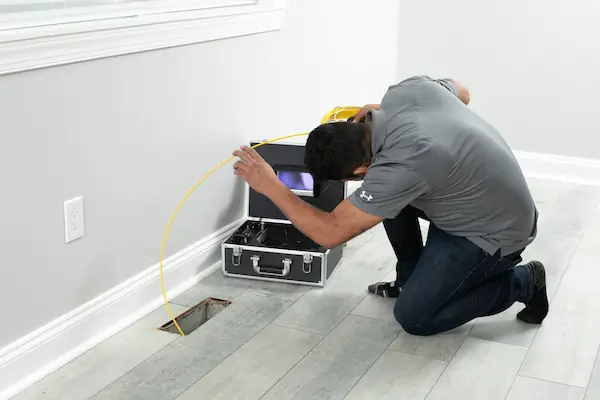
When any of the above warning signs are present, surface-level cleaning is not sufficient. Professional air duct cleaning uses specialized equipment designed to address contamination throughout the entire duct system:
- High-powered commercial vacuums that create negative pressure to capture debris
- Rotating brush systems to dislodge buildup from duct walls
- Compressed air tools to reach corners and hard-to-access sections
- Sanitization treatments for mold, bacteria, or pest contamination when required
These methods ensure that contaminants are removed rather than redistributed, leaving your duct system genuinely clean from the inside out.
Amazon Air Duct Cleaning Service Area
Amazon Air Duct Cleaning proudly serves residential and commercial customers throughout Virginia, Maryland, and Washington, DC.
Virginia: Arlington, Alexandria, Fairfax, Springfield, Loudoun, Prince William, and more.
Maryland: Rockville, Silver Spring, Bethesda, Gaithersburg, College Park, and surrounding areas.
Washington DC: All DC neighborhoods including Capitol Hill, NW, NE, SE.
Conclusion
Dirty air ducts rarely announce themselves dramatically — they signal their condition gradually through increased dust, declining air quality, unusual odors, uneven temperatures, and rising utility costs. Recognizing these seven warning signs early gives homeowners the opportunity to act before problems worsen.
Professional air duct cleaning removes the accumulated contaminants that degrade indoor air quality, reduce HVAC efficiency, and shorten system lifespan. Most homes benefit from professional service every 3 to 5 years, with more frequent cleaning recommended for homes with pets, allergy sufferers, or challenging environmental conditions.
If you've identified one or more of these signs in your home, contact Amazon Air Duct Cleaning today to schedule a professional inspection and restore your indoor air quality.
Frequently Asked Questions
Have questions about the details of air duct and dryer vent cleaning? Amazon Air Duct Cleaning has the answers. Keep reading or unlock special pricing online or call (800) 606-3334. We have several locations and serve multiple states across the U.S. Find specials in your area.
-
How do I know if my air ducts are dirty?
Common signs include excessive dust near vents, worsening allergy symptoms, musty or stale odors when the HVAC runs, visible mold growth, rising energy bills, inconsistent airflow between rooms, and pest or rodent activity near the ductwork.
-
Can dirty air ducts make you sick?
Yes. Dirty air ducts can circulate dust, mold spores, pollen, and pet dander throughout your home, aggravating allergies, asthma, and other respiratory conditions.
-
What happens if you never clean your air ducts?
Without regular cleaning, ducts accumulate debris that reduces HVAC efficiency, increases energy bills, shortens system lifespan, and degrades indoor air quality over time.
-
How often should air ducts be professionally cleaned?
Most experts recommend professional air duct cleaning every 3 to 5 years. Homes with pets, allergies, or recent renovations may require more frequent service.
-
Does duct cleaning improve HVAC efficiency?
Yes. Removing dust and debris from air ducts allows air to flow freely, reducing the workload on your HVAC system and potentially lowering energy consumption.