Blog
Lint past the trap is a fire problem — NFPA numbers, CPSC notes, and when to book
· Updated
Why clean dryer vents? Lint, fire risk (NFPA), longer dry times — and how professional cleaning helps homes.
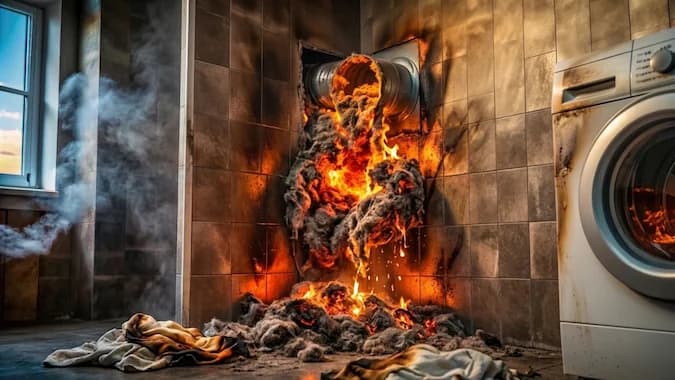
The lint your trap misses ends up in the vent
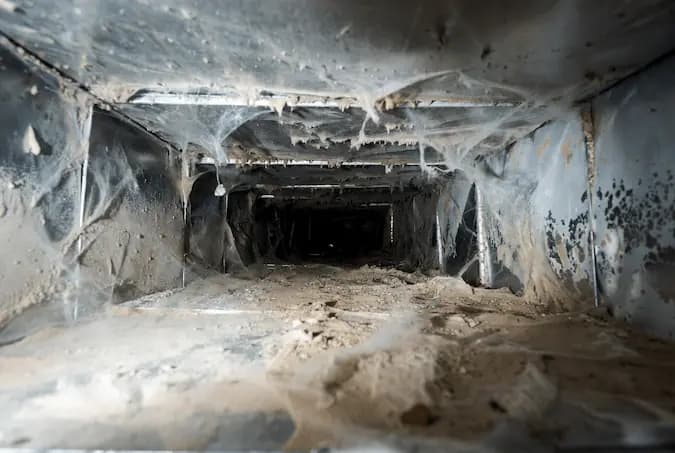
Most homeowners empty the lint trap after every load — but the trap only catches part of what drying produces. The rest travels into the exhaust duct, where it packs over months and years.
CPSC staff work on electric dryers found lint can accumulate in the appliance even when the dryer is installed correctly, properly vented, and the lint screen is cleaned between cycles. That is why cleaning the vent duct — not only the trap — matters for fire safety and dryer performance.
How dryer fires start — and how common they are
According to the National Fire Protection Association analysis of home dryer fires for 2014–2018, U.S. fire departments responded to an estimated average of about 13,820 home dryer fires per year. Those fires caused an average of about seven civilian deaths, 344 civilian injuries, and $233 million in direct property damage annually.
Failure to clean was a factor in about 32% of those fires, and dust, fiber, or lint was the item first ignited in about 27%. (Older USFA topical reporting used a narrower scope; NFPA remains the clearest public source for the failure-to-clean share.)
As lint packs the vent, airflow drops and exhaust backs up. The dryer runs hotter and longer. Trapped heat plus flammable lint is a preventable recipe for ignition — which is why full-length vent cleaning is one of the highest-ROI home maintenance visits we sell.
- ~13,820 home dryer fires/year (NFPA 2014–2018)
- Failure to clean ~32%; lint first ignited ~27%
- Average ~7 deaths, 344 injuries, $233M damage/year
Our Special Offers
Transparent flat-rate pricing. No counting vents. No surprise add-ons.
Dryer Vent Cleaning
$199
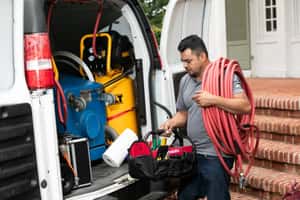
Professional dryer vent cleaning with rotary brush and high-powered vacuum to reduce fire risk and improve dryer efficiency.
Learn more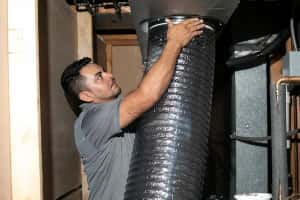
Air Duct Cleaning & Sanitization
$299
Professional cleaning of one complete air duct system with complimentary sanitization upon request and before/after photo proof.
Learn more
Air Duct & Dryer Vent Cleaning Combo
$399
Complete air duct system cleaning plus dryer vent cleaning — our most popular package. Optional antimicrobial on request.
Learn more5 signs your dryer vent is overdue
Do not wait for a fire to discover a packed vent:
- Clothes take more than one cycle to dry
- The dryer or laundry room feels unusually hot mid-cycle
- A burning smell during operation — stop the dryer and call a pro
- Lint around the exterior vent flap or behind the dryer
- Exterior damper that barely opens or stays shut while the dryer runs
Homes that pack lint faster
Some layouts and habits shorten the safe interval between cleanings:
- High laundry volume — multiple loads daily; consider cleaning every six months
- Long or winding runs — more elbows mean more places lint packs; long vertical condo risers are classic
- Flexible plastic ducting — traps lint more easily than rigid metal; upgrade when possible
- Pets — fine fur passes the trap and accelerates blockage
- Skipped lint-trap cleaning — missing loads sends more lint into the duct
What professional vent cleaning actually protects
Clearing the full run is fire prevention first — and dryer performance second:
- Fire risk reduction — removing compacted lint addresses a leading, preventable factor in dryer fires (NFPA: failure to clean)
- Faster drying — a clear vent lets moisture escape so more loads finish in one cycle
- Less heat stress on the appliance — restricted exhaust makes dryers run hotter and longer
- Safer exhaust for gas dryers — blocked vents can interfere with proper exhaust of combustion products; keep the path clear and fuel-burning equipment serviced
- Documented close-out — we verify airflow and the exterior damper before we leave
Why a hardware-store brush kit usually is not enough
A basic kit can clear lint near the dryer connection. Compacted buildup 10–30 feet down — especially around elbows — often stays put. DIY also risks disconnecting joints in a chase or attic.
Professional service uses rotary brushes for the full length, industrial vacuum containment, inspection for crushed or unsafe duct, and airflow verification at the end.
- High-powered rotary brushes for the full duct length
- Industrial vacuums that capture dislodged lint
- Inspection for crushed, disconnected, or unsafe sections
- Airflow check before reconnecting the dryer
What happens on our dryer vent visit
Typical sequence when Amazon Air Duct Cleaning services a dryer vent:
- Route assessment — dryer to exterior cap; note length, elbows, material
- Dryer disconnect and area prep
- Full-length brush cleaning
- Industrial vacuuming of dislodged lint
- Exterior damper and cap check
- Airflow verification before reconnect
Habits between annual cleanings
Most homes benefit from professional cleaning about once a year. Between visits:
- Clean the lint trap before every load
- Check the exterior vent monthly — damper free, no nests or debris
- Do not overload the dryer
- Prefer rigid metal ducting over plastic flex hose
- Do not run the dryer while asleep or away from home
A clear vent is cheap insurance — book it
Dryer fires remain common, and many are tied to failure to clean. NFPA’s 2014–2018 numbers — roughly 13,820 fires a year, failure to clean in about a third — are why a packed vent is worth fixing before the dryer overheats.
We clear the full vent line, verify the exterior damper, and restore airflow. Bundle with air duct cleaning when both systems are overdue.
If it has been more than a year — or you see any warning signs above — schedule on the dryer vent cleaning page or call (800) 606-3334. Northern Virginia, Maryland, and DC from Burke and Bethesda.
Frequently Asked Questions
How often should dryer vents be cleaned?
About once a year for most homes. High laundry volume, long vent runs, or pets may need service every six months.
Does cleaning a dryer vent eliminate fire risk?
No cleaning guarantees zero risk. Clearing lint from the full duct addresses a leading, preventable factor in dryer fires (NFPA: failure to clean).
Can I clean the vent myself with a brush kit?
DIY kits help near the opening but often miss compacted lint deeper in long or winding runs. Pros brush and vacuum the full length and verify airflow.
Where do you schedule dryer vent jobs?
From Burke, VA and Bethesda, MD across Northern Virginia, Maryland, and Washington, DC. Call (800) 606-3334 or open your city under Locations.
Where we schedule from
For booking, use your city page or call our Burke and Bethesda offices. See all cities we serve.
Our offices
Contact Us
Our specialists will contact you immediately. (800) 606-3334 · support@amazonadc.com