Can Dirty Air Ducts Cause Allergies? What Homeowners Need to Know

In this guide:
If you or someone in your household suffers from persistent sneezing, itchy eyes, congestion, or respiratory irritation — and no obvious outdoor cause is present — your home's own air duct system could be a contributing factor. Understanding how dirty air ducts affect allergy sufferers, what allergens accumulate inside ductwork, and how professional cleaning can help is the first step toward breathing easier indoors.
How are dirty air ducts connected to allergies?
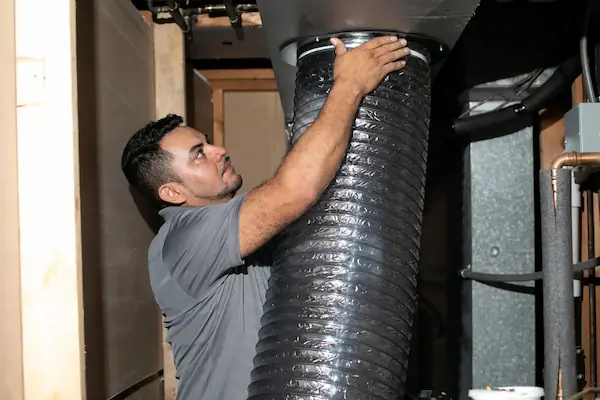
Air ducts serve as the circulatory system of your HVAC unit, delivering heated or cooled air to every room in the home. Over time, these same pathways accumulate dust, biological particles, and other contaminants — and every time the system runs, those particles are pushed directly into your living space.
For allergy sufferers, this continuous cycle of recirculating airborne allergens can make indoor environments just as — or more — problematic than the outdoors during peak pollen season. The home, which should offer refuge from environmental triggers, instead becomes a persistent source of exposure.

Common Allergens Found Inside Air Ducts
A wide variety of allergens and irritants can accumulate inside residential ductwork over time. The specific contaminants present depend on the household, local environment, and how long the ducts have gone without cleaning.
The most common allergens found in air ducts include:
- Dust mite particles — Microscopic debris from dust mites settles throughout the home and is easily drawn into ductwork, where it accumulates and recirculates continuously.
- Pet dander — Tiny skin flakes shed by dogs, cats, and other animals travel through the air and collect inside ducts, remaining airborne long after the animal has left the room.
- Mold and mildew spores — Moisture that enters ductwork through condensation or humidity creates conditions where mold can develop and release spores into the air supply.
- Pollen — Tracked indoors on clothing, shoes, and through open windows, pollen particles settle inside ducts and are redistributed with every HVAC cycle.
- Cockroach and pest debris — Droppings and decomposing matter from insects or rodents inside ductwork are potent allergen sources that require immediate professional remediation.
- Volatile organic compounds (VOCs) — Residues from cleaning products, paints, and adhesives can settle in ducts and contribute to respiratory irritation in sensitive individuals.
Because these contaminants accumulate gradually and invisibly, many homeowners are unaware of the allergen load building inside their duct system until health symptoms prompt an investigation.
Our Special Offers
Interested? Contact us at support@amazonadc.com, or (800) 606-3334

Air Duct Cleaning, Dryer Vent Cleaning & Sanitization
$399.00 $650.00
Allergy Symptoms That May Be Linked to Dirty Air Ducts
When allergens from contaminated ducts are continuously circulated throughout the home, sensitive individuals may experience a range of symptoms that can be mistaken for seasonal allergies or recurring illness:
- Persistent Sneezing and Runny Nose
Frequent sneezing that is not explained by outdoor allergen seasons — or that occurs specifically when the HVAC system is running — may indicate airborne irritants being distributed through the ducts.
- Itchy or Watery Eyes
Airborne dust mite particles, pet dander, and mold spores are common triggers for eye irritation. Symptoms that improve when leaving the home point to an indoor air quality issue.
- Coughing and Throat Irritation
Persistent dry coughing or throat irritation with no viral cause can result from continuous inhalation of fine particulate matter circulating through a contaminated duct system.
- Worsening Asthma Episodes
For individuals with asthma, airborne allergens and irritants from dirty ducts can increase the frequency and severity of episodes. Triggers that are difficult to identify outdoors are sometimes traced back to the home's air supply.
- Nasal Congestion and Sinus Pressure
Chronic congestion that does not respond to typical allergy medications — particularly when symptoms are most pronounced at home — may be connected to indoor allergen exposure through the HVAC system.
- Skin Rashes or Eczema Flare-Ups
Dust mite particles and mold spores are well-documented triggers for eczema and skin reactions in sensitive individuals. Elevated levels of these allergens indoors can lead to more frequent skin symptoms.
Households at Higher Risk for Duct-Related Allergy Problems
Not all homes carry the same allergen risk from ductwork. These factors significantly increase the likelihood of allergy-triggering contamination:
- Homes with Pets: Pet dander is one of the most common indoor allergens. In homes with dogs, cats, or other animals, dander accumulates rapidly inside ductwork and is redistributed continuously with each HVAC cycle.
- History of Water Damage or High Humidity: Moisture inside ductwork creates ideal conditions for mold and mildew growth. Homes in humid climates or those that have experienced flooding or leaks near HVAC components face elevated mold spore risk.
- Homes with Young Children or the Elderly: Developing immune systems in children and reduced respiratory resilience in older adults make these household members especially vulnerable to the effects of poor indoor air quality.
- Recent Renovations or Construction: Remodeling work introduces fine particles — drywall dust, insulation fibers, wood particles — that enter the duct system and remain suspended in the air supply long after construction is complete.
- Infrequent Filter Replacement: A saturated HVAC filter loses its ability to capture allergens before they enter the duct system. Homes where filters are not replaced regularly accumulate contaminants faster.
The Professional Air Duct Cleaning Process for Allergy Relief
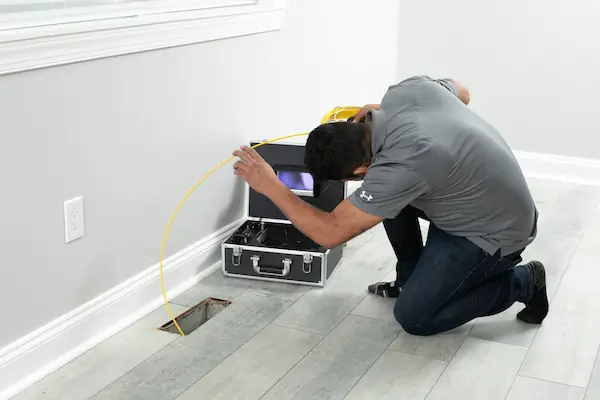
Professional cleaning removes allergens from the entire duct system — not just the visible vent covers. Here is what the process involves:
- System Inspection: Technicians assess the extent of contamination inside the duct system, identifying areas of heavy buildup, moisture, or mold that require special attention.
- Area Protection: Floors and furniture are covered to prevent any dislodged particles from settling on surfaces during the cleaning process.
- Negative Pressure Vacuum: High-powered commercial vacuums create negative pressure inside the duct system, ensuring that loosened particles are captured and contained rather than redistributed into the living space.
- Mechanical Agitation: Rotating brushes and compressed air tools dislodge allergens, dust, and debris that have adhered to duct walls over years of accumulation.
- Sanitization Treatment: In cases where mold, bacteria, or heavy biological contamination is present, antimicrobial treatment is applied to the duct interior to eliminate remaining allergen sources.
- Final Inspection: Technicians verify that the entire accessible duct system has been thoroughly cleaned before completing the service.
How to Reduce Allergens in Your Home Between Cleanings
Professional duct cleaning addresses the accumulated allergen load inside your HVAC system, but ongoing maintenance practices help slow the rate of recontamination and keep indoor air quality as high as possible between service visits:
- Replace air filters every 1–2 months in homes with allergy sufferers or pets — more frequently than the standard 3-month interval.
- Use high-efficiency MERV-rated filters that capture smaller allergen particles such as pet dander, mold spores, and fine dust before they enter the duct system.
- Control indoor humidity levels between 30–50% to prevent the moisture conditions that support mold growth inside ductwork.
- Groom pets regularly and keep them out of bedrooms to reduce the volume of dander entering the HVAC system.
- Vacuum with a HEPA-filter vacuum cleaner to reduce surface allergens that would otherwise become airborne and enter the duct system.
- Schedule professional duct cleaning every 2–3 years for allergy households, rather than the standard 3–5 year interval.
Amazon Air Duct Cleaning Service Area
Amazon Air Duct Cleaning proudly serves residential and commercial customers throughout Virginia, Maryland, and Washington, DC.
Virginia: Arlington, Alexandria, Fairfax, Springfield, Loudoun, Prince William, and more.
Maryland: Rockville, Silver Spring, Bethesda, Gaithersburg, College Park, and surrounding areas.
Washington DC: All DC neighborhoods including Capitol Hill, NW, NE, SE.
Conclusion
Dirty air ducts are a frequently overlooked contributor to indoor allergy symptoms. Dust mite particles, pet dander, mold spores, pollen, and pest debris can accumulate inside ductwork over years and be continuously circulated through your home every time the HVAC system operates. For allergy and asthma sufferers, this invisible cycle of recirculation can make the home itself a persistent trigger.
Professional air duct cleaning removes the accumulated allergen load from the entire duct system, reducing indoor airborne irritants at the source. Combined with regular filter replacement, humidity control, and consistent HVAC maintenance, clean ductwork plays a meaningful role in creating a healthier indoor environment.
If allergy symptoms in your household seem worse indoors — or if your ducts have not been professionally cleaned in the past few years — schedule a professional air duct cleaning today to improve your indoor air quality and reduce allergen exposure for everyone in your home.
Frequently Asked Questions
Have questions about the details of air duct and dryer vent cleaning? Amazon Air Duct Cleaning has the answers. Keep reading or unlock special pricing online or call (800) 606-3334. We have several locations and serve multiple states across the U.S. Find specials in your area.
-
Can dirty air ducts cause allergies?
Yes. Dirty air ducts accumulate dust, mold spores, pollen, and pet dander. Each time your HVAC system runs, these allergens are distributed throughout your home, potentially triggering or worsening allergy and asthma symptoms.
-
What allergens can be found inside air ducts?
Common allergens found inside air ducts include dust mite particles, pet dander, mold spores, pollen, cockroach debris, and volatile organic compounds from household products that settle in ductwork over time.
-
How do I know if my allergies are caused by dirty air ducts?
A key indicator is that allergy symptoms worsen when the HVAC system is running and improve when you leave the home. Other signs include rapid dust accumulation, musty odors from vents, and symptoms that persist year-round regardless of pollen season.
-
Can air duct cleaning help with asthma?
Professional air duct cleaning removes allergens and irritants that circulate through your home's air supply. For households with asthma sufferers, reducing airborne triggers through clean ductwork can contribute to fewer and less severe episodes.
-
How often should I clean my air ducts if I have allergies?
Homes with allergy or asthma sufferers are typically recommended to schedule professional air duct cleaning every 2–3 years rather than the standard 3–5 year interval, and to replace HVAC filters every 1–2 months.